The saddest sentence in food is a good pastry eaten badly the next day. Bakery items are not one category for storage purposes; they are at least four, with opposite rules. Cream-filled pastries want the refrigerator and a short clock. Croissants want the counter and a fast oven revival. Cookies want a tin and patience. Cakes want covering and calm. Shoppers in Charlotte who buy across the case at a place like Villani's Bakery can keep everything at its best by sorting the box into those four families when they get home.
This guide is the sorting, with the reasoning, so the rules stick.
Storage, by pastry family
| Pastry family | Where it keeps | How long at its best | Revival move |
|---|---|---|---|
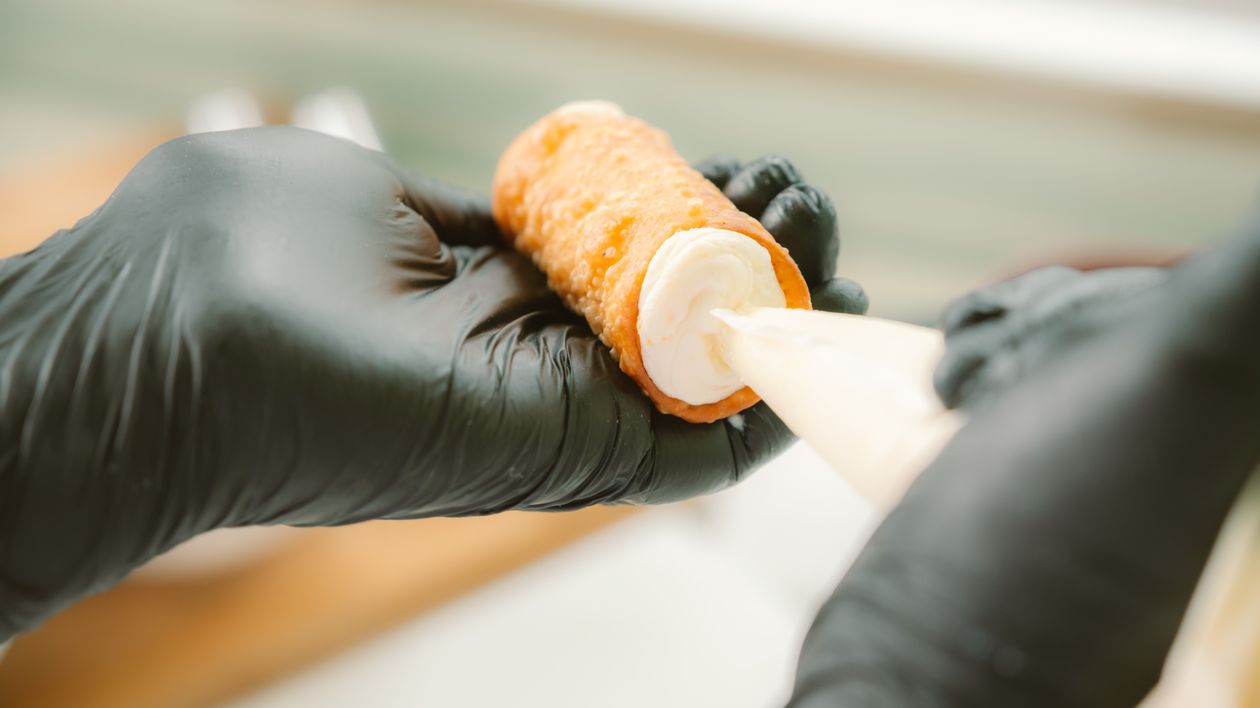
| Cream-filled (cannoli, cream puffs, Napoleons) | Refrigerator, loosely covered | Same day; a few hours ideally | Twenty minutes at room temperature before serving; no reheating |
| Laminated (croissants, turnovers) | Room temperature, paper bag or loose wrap | The day of baking | A few minutes in a moderate oven to re-crisp |
| Cookies (biscotti, butter, rainbow) | Sealed tin at room temperature | Several days to a week | None needed; keep dry and sealed |
| Cakes by the slice or whole | Covered; refrigerator if cream-cheese or custard filled | Two to three days | Serve at room temperature for full flavor |
| Breads and bialys | Paper bag at room temperature, or frozen sliced | A day fresh; weeks frozen | Toast from fresh or frozen |
Read the table's pattern and you can extend it to anything in a bakery case. Moisture is the moving part: refrigeration protects cream but attacks crispness, because cold air and condensation soften fried and laminated surfaces. Room temperature protects texture but lets cream fillings wander into the unsafe and the unappetizing. Every rule in the table is that trade-off, decided per pastry.
The three mistakes everyone makes
The first mistake is the sealed plastic bag for warm pastries. Steam from a warm croissant or turnover condenses in the bag and rains back onto the pastry, softening in twenty minutes what the bakery spent two days layering. Paper, or a loose cover, lets pastries breathe. The second mistake is refrigerating bread and croissants to make them last. Cold accelerates the staling of starch, so a refrigerated croissant ages faster than a counter one; freezing, by contrast, pauses the clock honestly, and a frozen croissant thawed and oven-warmed comes back respectably.
The third mistake is the car. In a Charlotte summer, a car interior reaches temperatures that melt fillings, bloom chocolate, and wilt everything in the box between the bakery and home. Pastries ride in the cabin's coolest spot, go straight inside on arrival, and never, ever spend an afternoon in a parked car running errands. Half the storage failures blamed on bakeries actually happened in a parking lot.
Planning the buy around the clock
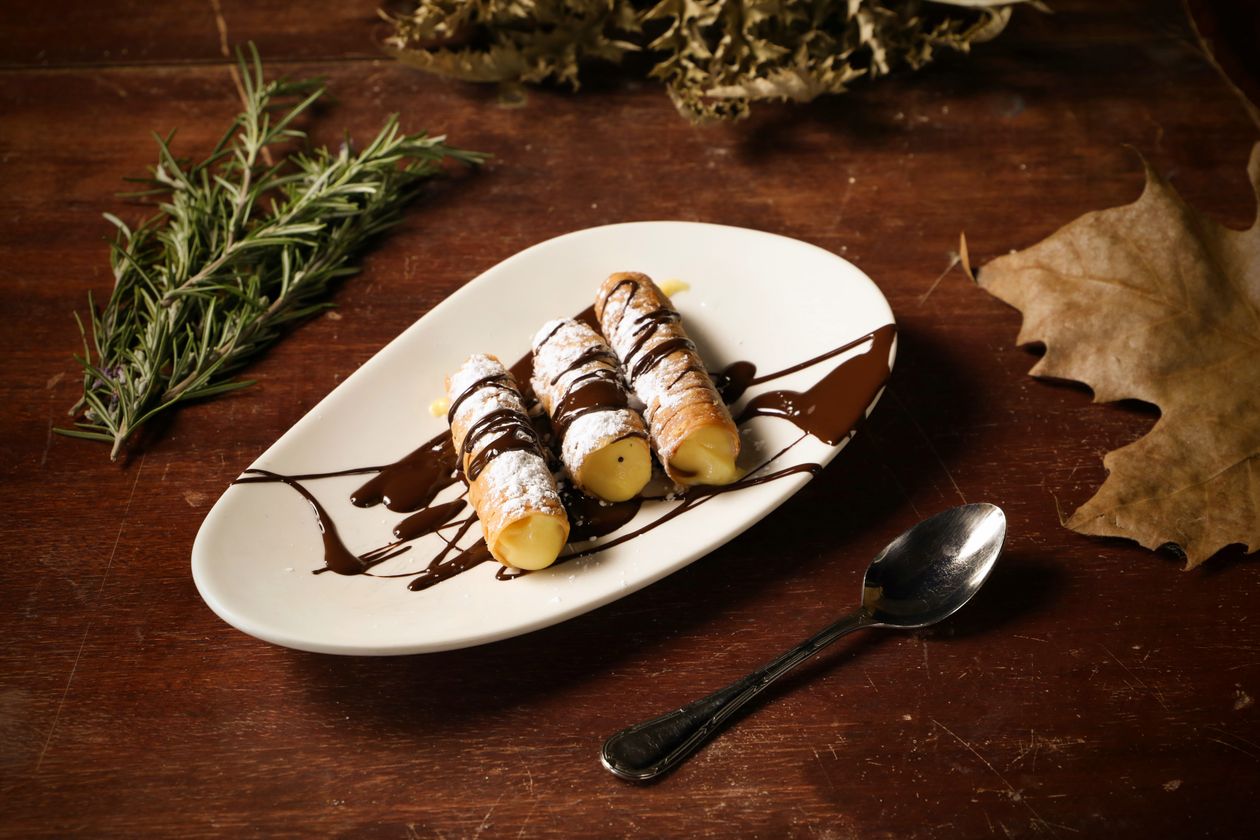
The final skill is buying in the right order of consumption. Eat the filled pastries today, the croissants today or tomorrow morning, the cake over the next two or three days, and let the cookies carry the week. A mixed order from a bakery like Villani's naturally contains that whole timeline in one box, which is a quiet argument for buying the assortment instead of a dozen of one thing. Tell the counter when you plan to serve things and a good bakery will steer you, suggesting the items that hold and filling the fragile ones last. They would rather sell you a smaller box eaten perfectly than a larger one eaten sadly, because only one of those brings you back.
None of this requires equipment beyond a tin, a paper bag, and an oven. It requires only the recognition that freshness is a schedule, and that the bakery has already done the hard part. Your job is just not to undo it.
Freezing, the honest exception
Freezing deserves its own paragraph because it is the one long-storage method that does not betray the pastry. Plain cakes, breads, bialys, and croissants all freeze well when wrapped tightly and frozen fresh, ideally the day of purchase. Thaw them still wrapped, so condensation lands on the wrapping rather than the crust, then give baked goods a few minutes in a moderate oven to restore their surfaces. What freezing cannot save is anything already filled with cream or custard, and anything already a day old; freezing pauses a clock, it does not rewind one. Shoppers planning for a holiday weekend in Charlotte do well to freeze the breads and croissants early in the week and buy the filled pastries fresh on the day, which puts each family of pastry on the storage path it was built for.
Common questions
Should croissants go in the refrigerator?
No. Cold speeds up starch staling and softens the layers. Keep croissants at room temperature for the day, or freeze them for longer keeping.
How long do bakery cookies stay fresh?
Most Italian bakery cookies keep well for several days to a week in a sealed tin at room temperature. Keep them dry and away from heat.
Can I freeze a cream-filled pastry?
It is not recommended. Cream fillings weep when thawed and crisp shells go soft. Freeze plain cakes, breads, and croissants instead.
Photos in this guide are representative stock images.
← All guides from Villani's Bakery← Back to Villani's Bakery